Hinamatsuri: Celebrating Japan's Elegant Doll Festival
Every year on March 3rd, households across Japan celebrate Hinamatsuri, also known as Girls' Day or the Doll Festival. This cherished spring tradition is dedicated to wishing for the health, happiness, and prosperity of young girls. While it isn’t a national holiday, it remains one of Japan’s most culturally significant seasonal celebrations.
A Festival Rooted in Ancient Traditions
Hinamatsuri’s origins stretch back over a thousand years, blending ancient Chinese purification rituals with early Japanese court customs. In China, rituals performed on the third day of the third lunar month - later known as the Shangsi Festival - were meant to ward off misfortune and demons. These beliefs flowed into Japan around the 7th century and merged with local practices during the Heian period, when aristocrats engaged in hina‑asobi, or doll‑playing.
As the tradition evolved and the quality of doll-making improved, dolls became more than playthings and they served as symbols believed to absorb impurities or misfortune. This idea is linked to the custom of nagashi‑bina, where paper dolls were once floated down rivers to carry away bad luck. Over centuries, not wanting to let these high-quality dolls flow down the river, this simple ritual transformed into the elaborate doll displays now central to Hinamatsuri.
The Iconic Hina Dolls
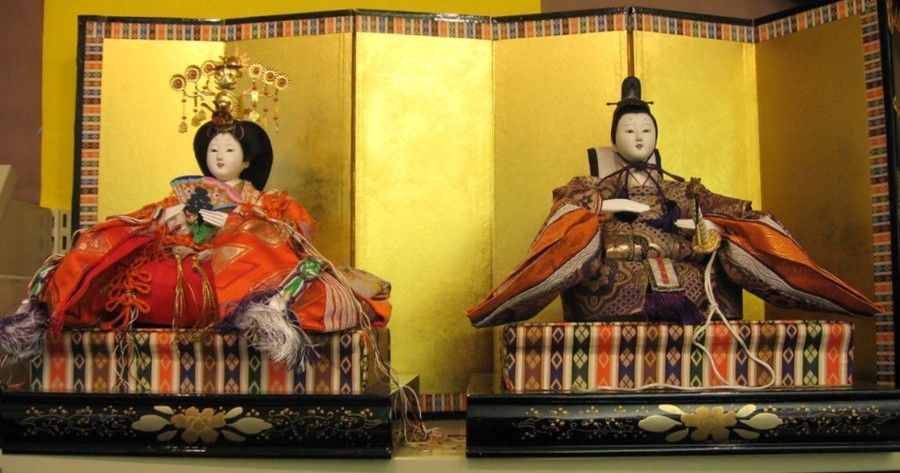
The most recognizable feature of Hinamatsuri is the tiered display of hina‑ningyō, or hina dolls. These dolls, often dressed in ornate Heian‑period court garments, are arranged on red‑carpeted platforms called hinadan. The top tier features the Emperor (Odairi‑sama) and Empress (Ohina‑sama), while lower tiers showcase attendants, musicians, and court accessories. These displays can range from minimalist paper figures to heirloom sets passed down for generations.
Families traditionally begin setting up their dolls in mid‑February. A commonly cited custom encourages packing them away promptly after March 3rd, as leaving them out is believed to delay a girl’s future marriage - a superstition still widely referenced today, even if light‑heartedly.
Symbolic Foods of the Season
Food plays an important role in Hinamatsuri celebrations. Households enjoy colorful treats that carry symbolic meaning, including
hina‑arare (sweet rice crackers),
hishimochi (three‑layered rice cakes),
chirashizushi (scattered sushi), and hamaguri no osuimono (clear clam soup). Each food is associated with hopes for good health, fortune, or harmonious relationships - for example, paired clam shells symbolize marital unity.
A Celebration of Growth, Spring, and Family
Hinamatsuri aligns with the arrival of spring, and peach blossoms - symbols of renewal and protection - feature prominently in decorations. Known historically as the Peach Festival (Momo no Sekku), this seasonal connection emphasizes themes of fresh beginnings and family well‑being.
Although modern celebrations may vary in scale, the essence remains: families come together to honor their daughters and reflect on traditions that have endured for centuries. Whether through the elegance of hina dolls or the warmth of shared meals, Hinamatsuri continues to be a beautiful expression of cultural heritage and love.
More Articles