New Year Celebrations in Japan
As the clock strikes midnight on December 31st, Japan grows hushed as families and communities honour Shōgatsu (正月) - the traditional Japanese New Year. It is a harmonious blend of Shinto, Buddhism and centuries-old customs that includes celebrations that span from deep cleaning one's home and festive meals to spiritual reflections, making it a uniquely meaningful cultural experience. In this month’s article, we will look at how exactly the Japanese celebrate the turn of the new year.
Year-End Preparations
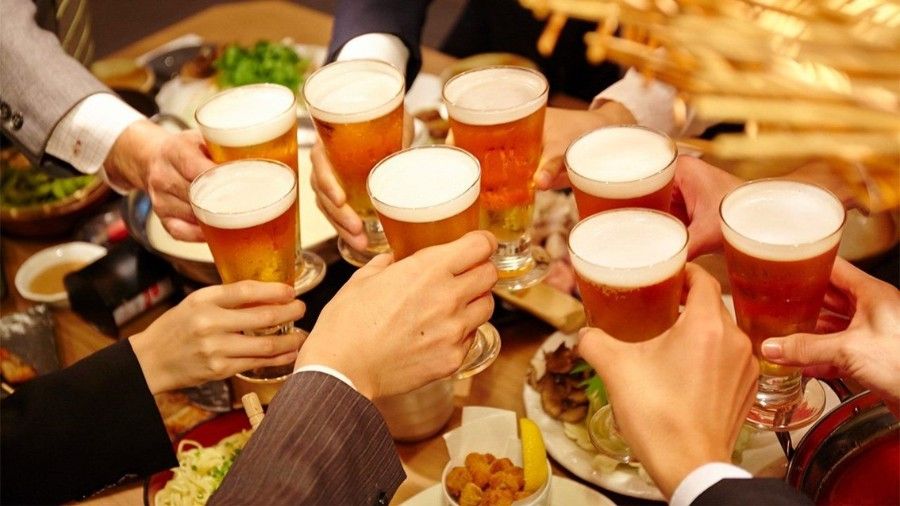
As the year-end approaches, much preparation is needed before the final New Year celebrations, and this final month of the year is one of the busiest. So busy, in fact, that December has a special name, “Shiwasu” (師走) or “teachers run”, which comes from an old word that expressed the busy preparations Buddhist monks would make during this time as they ran from place to place, and now reflects the bustling final month of the year as people busily wrap up tasks, send seasonal gifts and start preparing for their “Bōnenkai” (忘年会) - parties to “forget the year”.
Between December 13th and 28th, households will carry out what is known as ōsōji (大掃除). This is a thorough year-end cleaning intended to purify the home and spirit by removing physical and symbolic clutter. It is not too dissimilar to the idea of a Spring cleaning in many other cultures and dates back to Edo period when it was known as “susu barai” (煤払い) or “soot cleaning”.
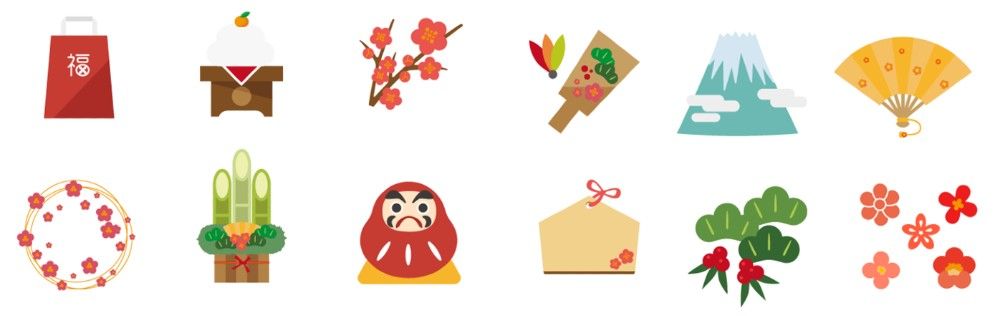
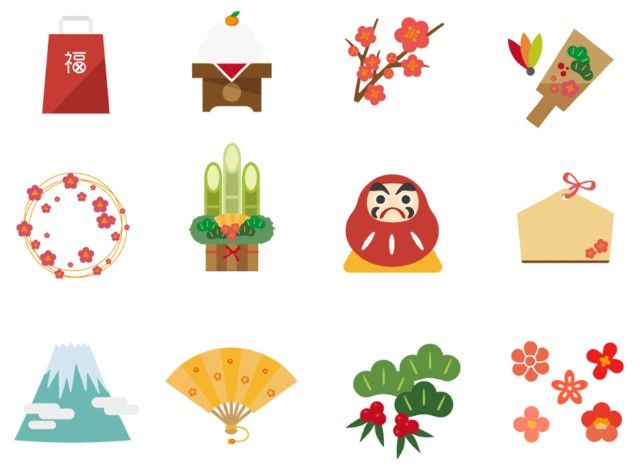
During this season, you may notice some very distinct decorations in shops, temples, shrines and people’s homes. Here is a breakdown of some of the most popular ones.
Festive Foods of Shōgatsu
In addition to these traditional decorations, there are a number of traditional meals that are served throughout the New Year celebratory period.
Toshikoshi Soba (年越しそば)
These are buckwheat noodles (soba) that symbolise longevity and the cutting away of last year’s hardships and are served on Omisoka (大晦日) - New Year’s Eve.
Osechi Ryori (お節料理)
This is a visually stunning assortment packed in layered jubako boxes, with each dish embodying hopes such as health (黒豆 kuromame), fertility (数の子 kazunoko), and prosperity (蒲鉾 kamaboko). The tradition traces back to Heian-period imperial court rituals.
Ozoni (お雑煮)
A hearty soup with mochi and vegetables, eaten on Ganjitsu (元日) (January 1st). The recipe varies by region, from clear broths to miso-based versions.
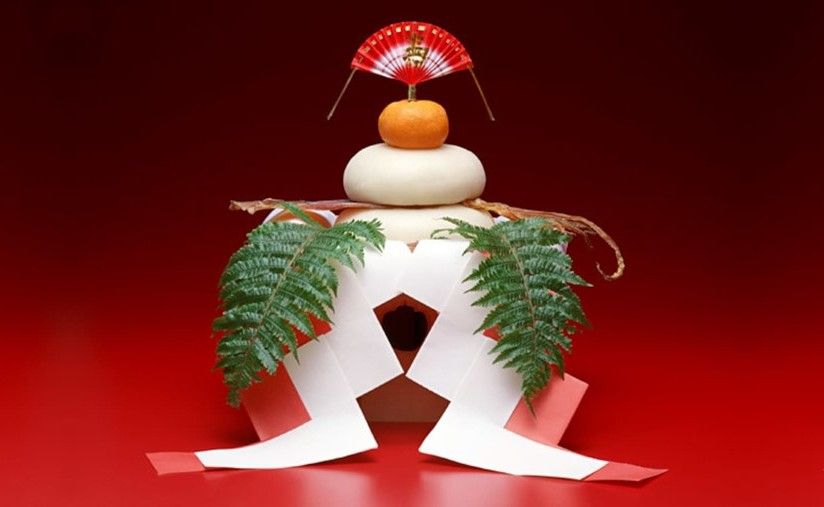
Mochi (餅) and Kagami Mochi (鏡餅)
Besides Osechi and Ozoni, households also keep kagami mochi as a scared offering, believed to contain spiritual power; it’s later broken during Kagami Biraki (see above) for good health.
Spiritual Traditions
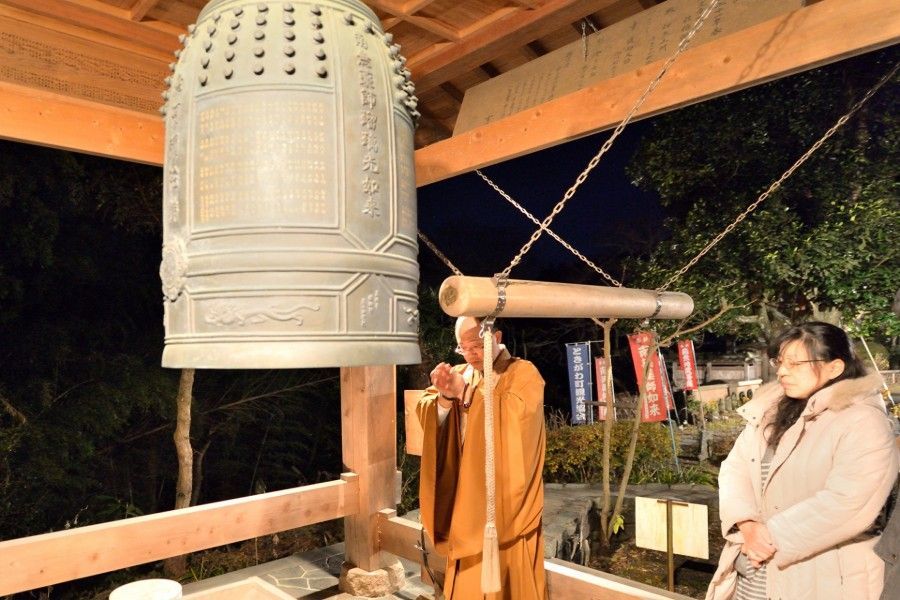
Joya no Kane (除夜の鐘)
On New Year’s Eve, Buddhist temples ring their bells 108 times. Each toll represents the cleansing of one of the 108 worldly desires that are believed to cause suffering, purging sins before the new year begins. These desires include those for physical beauty, control over others, fame, etc.
Hatsumode (初詣)
From January 1st to the 3rd, millions of people visit Shinto shrines and Buddhist temples for their first prayers of the year. Meiji Jingu alone welcomes over 3 million visitors during this period, where people offer wishes, draw omikuji (fortune slips), and purchase new omamori (charms).
Hatsuhinode - The First Sunrise
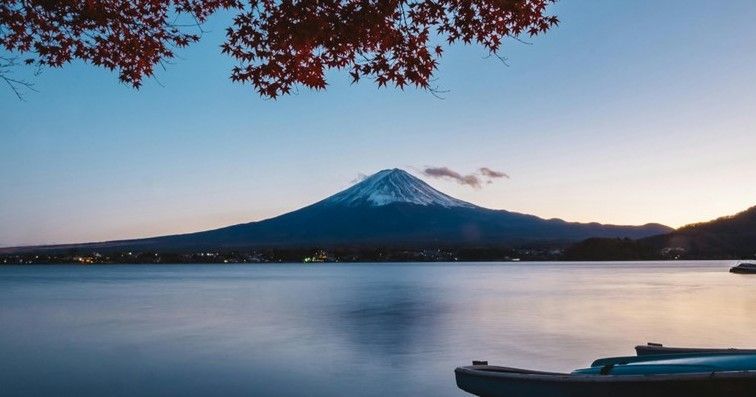
On January 1st, many Japanese head to the mountains, beaches, or even high-rise observatories to witness the first sunrise (hatsuhinode 初日の出), believing it attracts Toshigami and brings good luck. Iconic locations include Mount Fuji, Tokyo Skytree rooftops, and Cape Inubosaki.
Other Festive Customs
While the core of Shogatsu revolves around family meals and shrine visits, Japan’s New Year celebrations sparkle with additional customs that blend tradition, fun and modern trends. These practices add warmth and excitement to the season, making it a truly multi-layered cultural experience.
Otoshidama:
A cherished tradition where children receive money in decorative envelopes called pochibukuro from parents, grandparents and relatives. The amount ranges from 1,000 to 10,000 yen or more for older teenagers.
Nengajo:
Exchanged greeting cards delivered on January 1st, featuring zodiac themes and well wishes; these must be sent before December 25th for a timely arrival! Digital Nengajo are becoming more popular, but the physical cards still remain a strong tradition.
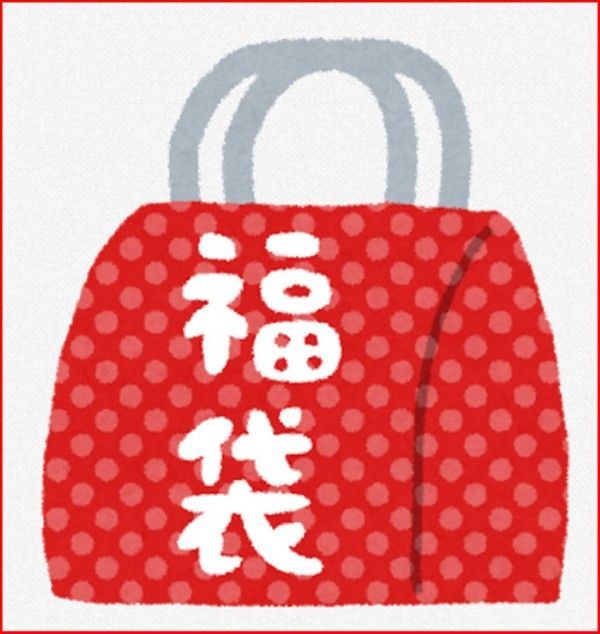
Fukubukuro:
“Lucky bags” sold by retailers. These are sealed bags whose content is unknown to the buyer but worth more than the purchase price. They are very popular in department stores and even some electronics shops.
Kite-flying, hanetsuki, karuta:
Traditional games played at home with family.
Top Hatsumode Spots
If you are thinking of joining a Hatsumode next year, we have compiled a list of some of the most popular spots you might like to consider. But be warned, these places get incredibly crowded, so if you don’t like large gatherings, you may want to consider looking for a smaller local shrine closer to your home.
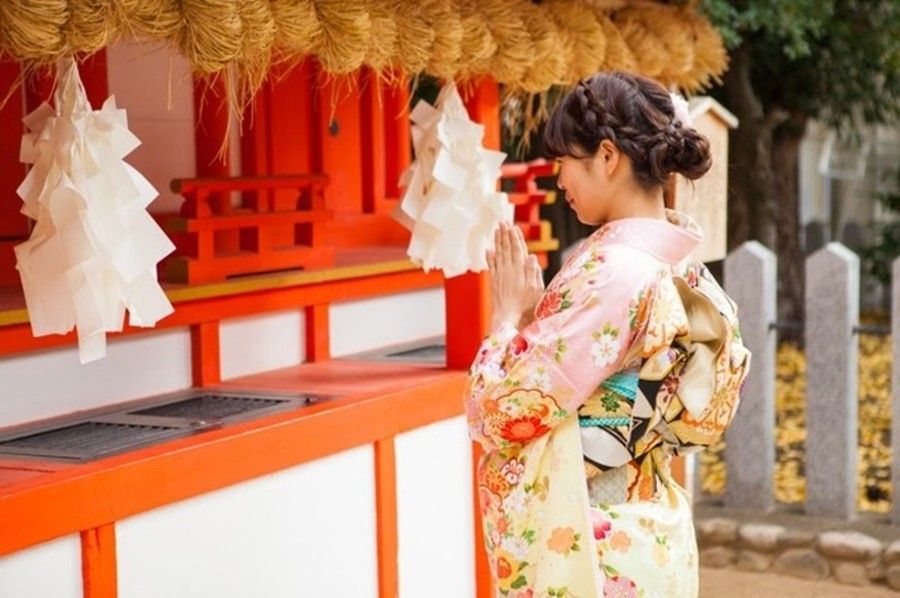
- Meiji Jingu (Tokyo) | ~3.19 million visitors
- Naritasan Shinshoji Temple (Chiba) | ~3.11 million visitors
- Kawasaki Daishi (Heikenji Temple, Kanagawa) | ~3.08 million visitors
- Sensoji Temple (Tokyo) | ~2.93 million visitors
- Fushimi Inari Taisha (Kyoto) | ~2.77 million visitors
- Sumiyoshi Taisha (Osaka) | ~2.60 million visitors
- Tsurugaoka Hachimangu (Kamakura, Kanagawa) | ~2.51 million visitors
- Atsuta Jingu (Aichi/Nagoya) | ~2.35 million visitors
- Omiya Hikawa Shrine (Saitama) | ~2.05 million visitors
- Dazaifu Tenmangu (Fukuoka) | ~2.04 million visitors
And with that, we wrap up our final article of 2025. Everyone at Japan Mobility wishes you a joyful holiday season and a bright start to 2026! Akemashite omedetō gozaimasu - Happy New Year! We look forward to sharing more stories and insights with you in the year ahead. Until then, enjoy the celebrations!
More Articles