Cultural Focus: Greenery Day

Mobi • April 22, 2026

What is Greenery Day and how is it celebrated?

Greenery Day (Midori no Hi) is Japan's annual celebration of nature on May 4, inviting people to slow down, step outside, and reconnect with the living world around them.
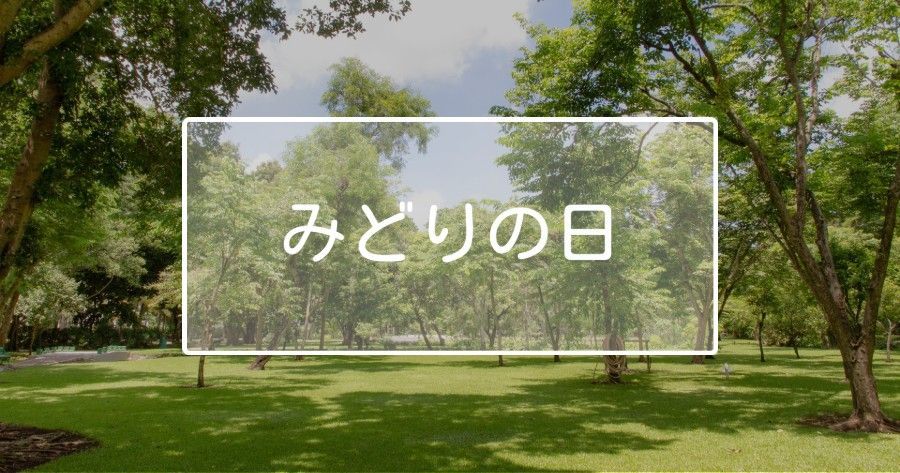
Park scene with green trees and grass, overlaid with Japanese text “みどりの日” in a white box.

Greenery Day, known in Japanese as Midori no Hi (みどりの日), is one of the four national holidays that make up Japan's Golden Week. Celebrated every year on May 4, it is a day dedicated to appreciating nature, reflecting on environmental stewardship, and enjoying the fresh vibrancy of early May.


The holiday's origins are closely tied to Emperor Shōwa, who was widely known for his deep interest in plants, biology, and environmental conservation. After his passing in 1989, his birthday - April 29 - was renamed Greenery Day to honor his love of nature. Later, in 2007, the holiday was moved to May 4, and April 29 became Shōwa Day.


A Day Rooted in Nature

At its heart, Greenery Day encourages people to commune with nature and express gratitude for its blessings. The timing couldn't be better: early May in Japan is known for its shinryoku - the season of "fresh green", when new leaves glow in bright shades of spring green and the weather is mild and inviting.


Many people take advantage of the holiday to visit parks, forests, botanical gardens, or riversides, enjoying the lush scenery that defines this time of year.

How People Celebrate

Because Greenery Day falls in the middle of Golden Week, many families already have time off, making it a natural opportunity for outdoor activities.

Stuffed animals having a picnic on a red gingham blanket in a sunny park.

Popular ways to celebrate include:


  • Visiting parks, gardens, and nature reserves
  • Hiking, camping, or taking scenic walks
  • Enjoying picnics under fresh spring foliage
  • Participating in tree-planting or environmental events
  • Exploring museums, zoos, or gardens that offer free or discounted admission


These activities reflect the holiday's broader purpose: to encourage environmental awareness and foster a sense of harmony between people and the natural world. 

A Modern Environmental Message

In recent years, Greenery Day has taken on added significance as conversations about sustainability and climate awareness grow.


Schools, municipalities, and environmental groups often use the holiday to promote eco-friendly initiatives, from community cleanups to educational programs about conservation.


This modern interpretation aligns naturally with the holiday's origins and reinforces its relevance for future generations.

Why Greenery Day Matters

Beyond being a pleasant spring holiday, Greenery Day serves as a reminder of Japan's long-standing cultural connection to the natural world. Whether through Shinto traditions, seasonal festivals, or everyday appreciation of landscapes, nature has always held a central place in Japanese life. 
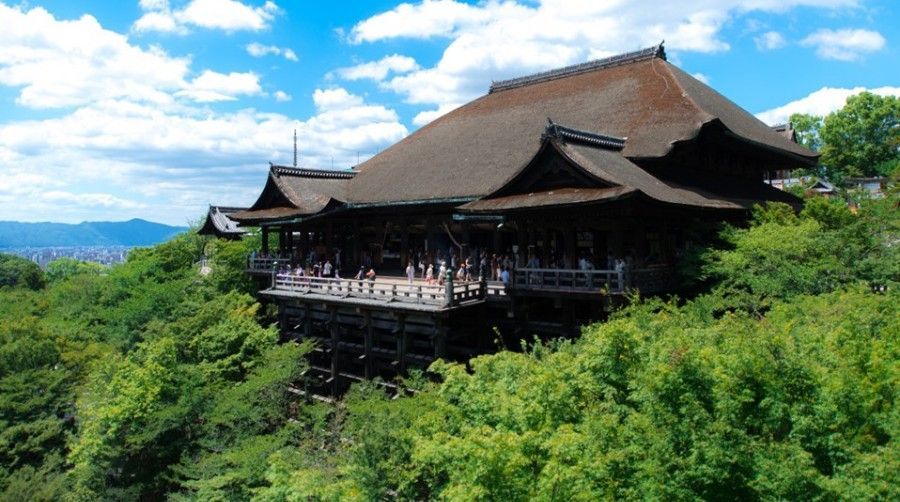
Kiyomizu-Dera Temple surrounded by lush green trees under a blue sky

Greenery Day invites everyone - residents and visitors alike - to pause and reconnect with that heritage.


For many, the day doesn't require elaborate plans. Even a quiet walk through a neighborhood park, a moment spent listening to birdsong, or time under a canopy of new leaves can capture the spirit of the holiday.


As May 4 approaches each year, Greenery Day offers a simple but meaningful invitation: step outside, breathe deeply, and celebrate the living world that sustains us.

More Articles
Title card for
By Mobi March 22, 2026
This guide walks you through everything you need to know - how to get a card, how to charge it, how to use it, and how to put it on your smartphone for maximum convenience.
Japanese Hina dolls, seated figures, in elaborate robes, gold screen background.
By Mobi February 25, 2026
Every year on March 3rd, households across Japan celebrate Hinamatsuri, also known as the Doll Festival. This cherished spring tradition is dedicated to wishing for the health, happiness, and prosperity of young girls.
A stylized illustration of a person in traditional clothing gesturing towards a fleeing, nude figure.
By Mobi January 20, 2026
Setsubun is one of Japan's most charming seasonal traditions. It marks the symbolic "end of winter" and the beginning of spring according to the old lunar calendar.
Japanese New Year icons: red gift bag, mochi cake, plum blossoms, battledore, wreath, kadomatsu, Daruma doll, and ema.
By Mobi December 15, 2025
The traditional Japanese New Year is a harmonious blend of Shinto, Buddhism and centuries-old customs that includes celebrations that span from deep cleaning one's home and festive meals to spiritual reflections, making it a uniquely meaningful cultural experience.
Christmas cake with strawberries and Santa decoration on a table with gifts and candles.
By Mobi November 12, 2025
Christmas in Japan is a fascinating twist on Western traditions. Readers may know about how Colonel Sanders, the founder and frontman to the popular fast-food chicken chain KFC, came to dominate Christmas in Japan in the late eighties with a successful TV campaign.
Woman in sunglasses hugging a brown Labrador dog outdoors in a field. The dog has its tongue out.
By Mobi August 13, 2025
Finding a pet-friendly property in Japan can feel like searching for a needle in a haystack. This challenge is especially pronounced in urban areas like Tokyo, Osaka, Yokohama and Nagoya, where space is limited and strict rental policies prevail.
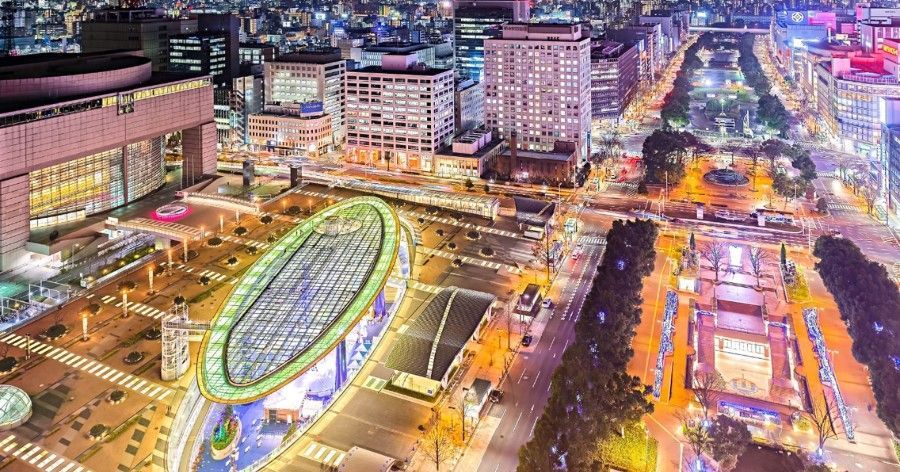
Nighttime aerial view of Nagoya with illuminated buildings and a large oval structure (Oasis21).
By Mobi August 6, 2025
For expats seeking a more balanced lifestyle, Nagoya offers a compelling alternative to Tokyo or Osaka. This centrally located city combines affordability, convenience, and community - making it one of the best places to live in Japan for expats.
A lake with Mt. Fuji in the background and a boat in the foreground.
By Mobi July 22, 2025
Every August 11th, Japan celebrates Mountain Day (山の日, Yama no Hi) - a national holiday dedicated to appreciating the country’s stunning mountainous landscapes and the cultural, spiritual, and recreational roles they play in Japanese life.
A large wave in the ocean with a blue sky in the background.
By Mobi June 27, 2025
Marine Day, or Umi no Hi (海の日), is a national holiday in Japan celebrated annually on the third Monday of July. It's a day dedicated to appreciating the ocean's bounty, recognizing the importance of maritime activities, and reflecting on Japan's deep connection to the sea.
Nagoya Castle
By Mobi May 27, 2025
Nestled in the heart of Nagoya, Japan, Nagoya Castle (名古屋城, Nagoyajō) stands as a majestic symbol of the city's rich history and cultural heritage.
A person is writing the word visa application with a marker.
By Mobi April 30, 2025
If you are looking to establish a business presence in Japan, then we recommend the Business Manager Visa. This visa is designed for individuals aiming to undertake managerial or administrative roles in Japan, whether you're an aspiring business owner or an experienced manager.
By Mobi March 24, 2025
Golden Week is one of Japan's most anticipated holiday periods, spanning several national holidays from late April to early May offering a unique blend of cultural events, bustling cities, and vibrant celebrations.
Load More Articles
Japan 24-HR Helpline
Guarantor services for renters in Japan
Drivers License Conversion Japan