How to Use Your IC Card or Your Smartphone for Seamless Travel
If you're an expat living in Japan, one of the biggest upgrades to your daily life will be getting an IC card - a rechargeable smart card that lets you ride trains, hop on buses, buy drinks from vending machines, and even pay at convenience stores with a single tap.
Whether you're in Tokyo using Suica or in Nagoya using Manaca, the good news is this: all major IC cards in Japan now work nationwide. That means one card can take you almost anywhere.
This guide walks you through everything you need to know - how to get a card, how to charge it, how to use it, and how to put it on your smartphone for maximum convenience.
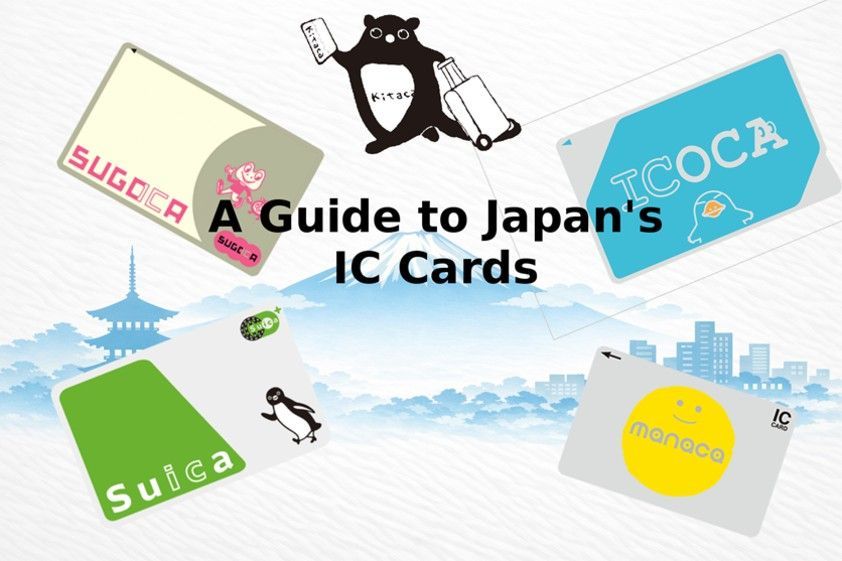
We have included some useful links all throughout this article, so keep an eye out for them and click on them for more information and guidance.
What Is an IC Card?
IC cards ("Integrated Circuit cards") are rechargeable contactless cards used for:
Japan has 10 major IC cards (Suica, Pasmo, Manaca, ICOCA, TOICA, etc.), but thanks to nationwide interoperability, they all work across each other's regions for transportation and basic payments.
Suica: The Tokyo Standard (and the Most Versatile)
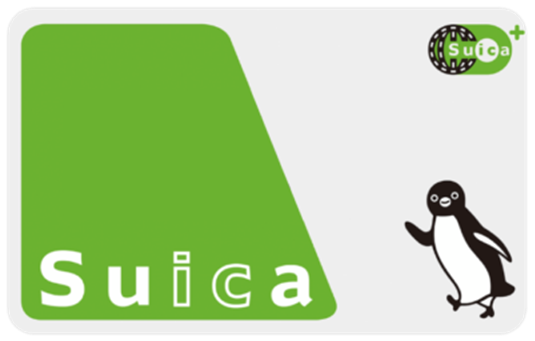
Where Suica Works
- JR East trains
- Tokyo Metro & Toei Subway
- Most private railways nationwide
- Buses in major cities
- Convenience stores, vending machines, taxis
How to Get a Suica
How to Charge Suica
- JR ticket machines
- Convenience stores
- IC card charging machines
- Mobile Suica app (if using your phone)
Why Suica Is Popular
- Works nationwide
- Easy to use on smartphones
- Supports commuter passes
- Supports auto‑charge with certain credit cards
More Information
Tokyo Cheapo has a detailed explanation of the Suica card on their YouTube channel. Follow this link to find out more about this indispensable travel companion.
Manaca: The Nagoya Local Favorite
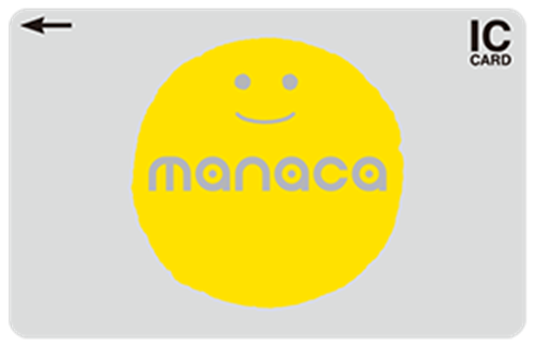
If you’re living in Nagoya, Manaca is the most convenient physical IC card to get.
Where Manaca Works
- Nagoya City Subway
- Nagoya City Bus
- Meitetsu trains & buses
- Aonami Line
- Yutorito Line
- Toyohashi Railway
Interoperability
Manaca works in Tokyo, Osaka, Fukuoka - basically anywhere IC cards are accepted.
How to Get a Manaca
- Subway station ticket machines
- Meitetsu station counters
- Some bus terminals
How to Charge Manaca
- Subway ticket machines
- Convenience stores
- Bus fare boxes (cash only)
Bonus: Manaca Mileage Points
You earn points based on monthly usage within the Manaca region. Points can be redeemed the following month - great for regular commuters.
One Card Works Everywhere: IC Card Interoperability Explained
Japan's IC card networks used to be regional, but now they're fully interoperable for transportation. That means:
...and so on.
You don't need multiple cards unless you want region‑specific perks.
Using IC Cards on Your Smartphone
(Mobile Suica, Mobile PASMO, Google Wallet, Apple Wallet)
Most modern smartphones sold in Japan - and many international models - support FeliCa, the contactless technology behind IC cards. This lets you use:
- Mobile Suica (iPhone & Android)
- Mobile PASMO (iPhone & Android)
- Google Wallet (Suica support)
- Apple Wallet (Suica/PASMO support)
Important Note for Nagoya Residents
Manaca does not yet have a mobile version, but that's not a problem.
You can simply add Suica to your phone and use it everywhere in Nagoya thanks to interoperability.
Benefits of Using Your Phone Instead of a Card
- Recharge directly in the app or add a credit card to ensure you never run out of credit
- No need to visit machines
- View your transaction history
- Works even when your phone battery is “dead” (FeliCa low‑power mode)
- Never lose your card (unless you lose your phone, of course - don't do that!)
Step‑by‑Step Guide for New Expats
Step 1 - Choose Your Card

While you are not limited to choosing your local IC card, it makes the most sense as there may be some extra perks available to you that are only available in your area. You may even look a bit strange riding around Nagoya with a Tokyo SUICA card – you'll certainly stand out that little bit more if people notice.
Below is a list of some of the most popular IC cards. Follow the links to their official websites for more information. (Note that some websites are available in Japanese only.)
| Card Name | Region | Issuer |
|---|---|---|
| Kitaca | Hokkaido | JR Hokkaido |
| Suica | Tohoku → Kanto | JR East |
| Pasmo | Greater Tokyo | Private rail/bus operators |
| manaca/マナカ | Nagoya (Tokai) | Nagoya Transportation Organization / MIC |
| TOICA | Tokai (Nagoya → Shizuoka) | JR Central |
| ICOCA | Kansai → Chugoku | JR West |
| PiTaPa | Kansai | Surutto KANSAI |
| SUGOCA | Kyushu | JR Kyushu |
| nimoca | Fukuoka | Nishi-Nippon Railroad |
| Hayakaken | Fukuoka City | Fukuoka City Transportation Bureau |
Note: Some other local cards do not operate nationwide, so we recommend you choose one from the list above. Suica is the most versatile and recommended, especially if you want to use your smartphone.
Step 2 - Buy or Download
- Physical cards: station ticket machines or counters
- Mobile Suica: download the app or add Suica to Apple/Google Wallet
Step 3 - Charge Your Card
- Ticket machines
- Convenience stores
- Mobile app (if using your phone)
Step 4 - Tap to Ride
- Touch the card/phone to the gate sensor
- Tap again when exiting
Step 5 - Use It for Shopping
Look for the IC card logo at:
- Convenience stores
- Vending machines
- Taxis
- Station kiosks
- Some restaurants
Step 6 - (Optional) Get a Commuter Pass
Both Suica and Manaca support commuter passes for regular routes.
Future Trends: What's Coming Next?
Japan is gradually rolling out credit‑card tap‑to‑ride (Visa/Mastercard/AmEx) on some lines, especially in Tokyo.
This won't replace IC cards anytime soon, but it adds another option for visitors and occasional riders.
Final Thoughts
For expats in Japan, getting an IC card is one of the easiest ways to simplify daily life. Whether you choose Suica, Manaca, or a smartphone‑based option, you’ll enjoy:
- Faster travel
- Fewer tickets
- Easy payments
- A smoother daily routine
More Articles