Japan's Recent Cycling Law Changes
What you need to know (and how to ride safely)
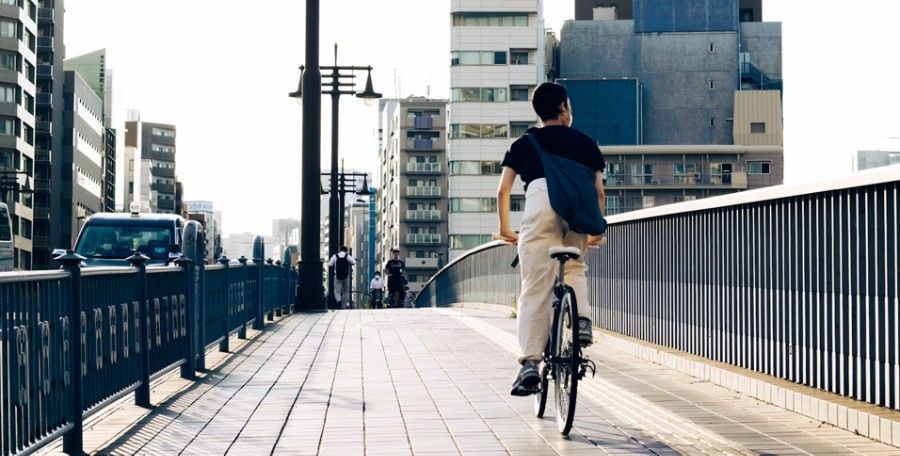
Cycling in Japan is one of the most popular ways of getting around and despite its health and environmental benefits it can be quite dangerous without due diligence from the cyclists and until now many guidelines and instructions have often been considered advisory and were not enforceable by law.
If you have lived in Japan for a few years, you will have likely noticed cyclists whizzing around with headphones on, phone in hand with little consideration for their surroundings. In an effort to curb such behaviors, changes have recently been brought into place and it is vital for you to understand what these changes are.
What changed and why it matters
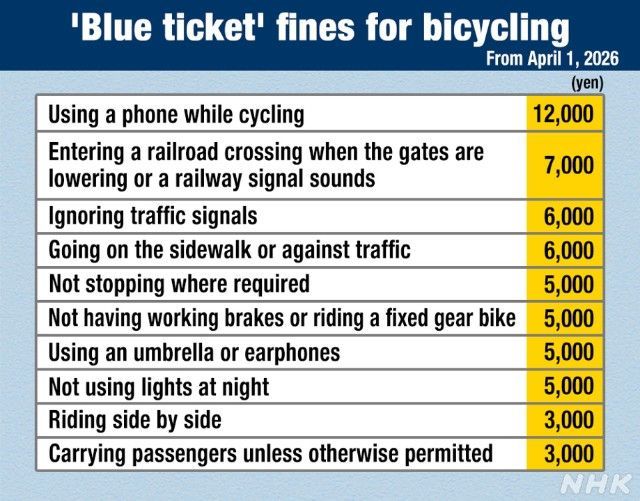
From 1 April 2026 police can issue an on the spot blue ticket (青切符) for many bicycle violations rather than only warnings; the system covers a long list of offences (over 100) including phone use while riding, running red lights, riding on the wrong side, and some sidewalk offences, with fines typically in the ¥3,000–¥12,000 range. This is a shift from largely advisory enforcement to a faster penalty regime intended to reduce serious collisions.
Helmet Rules
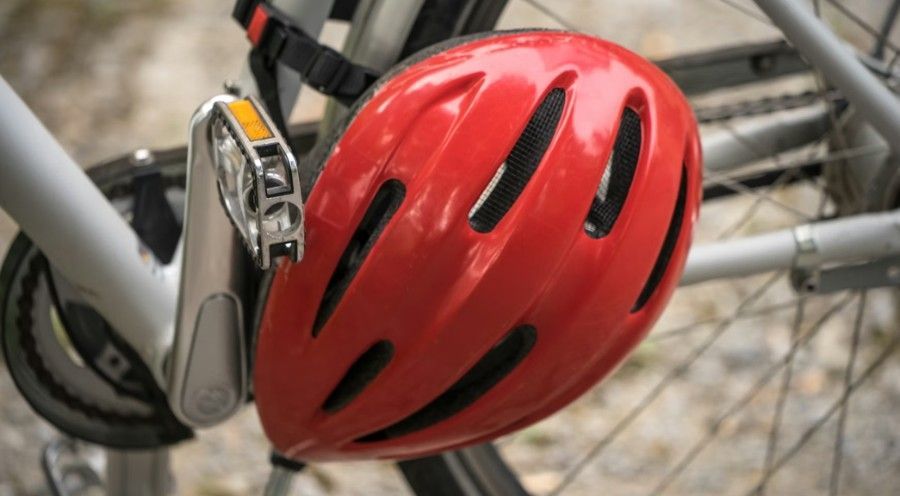
A revision to the Road Traffic Act that took effect on 1 April 2023 made helmet wearing a national duty to make efforts (努力義務) for all cyclists; it is not a criminal offence with a direct fine, but failing to wear a helmet can affect liability and insurance outcomes after an accident. Local governments and companies have been running subsidy and awareness campaigns to increase helmet use.
E bikes and classification
Electrically assisted bicycles that meet Japanese technical standards are legally treated as bicycles and therefore fall under the same enforcement regime; vehicles that do not meet those specs may be classified as mopeds and require registration, insurance, and a license.
"Blue Ticket" Fines
Practical guidance and etiquette for expat riders in Japan
Key considerations before you ride: carry ID, register your bike if required, check your e bike's spec, and assume enforcement is active.
Decision points: will you commute by bike daily (buy a helmet and lights), or use shared bikes (check helmet availability and local rules)?
Everyday etiquette and safety habits
- Never use your phone while riding; it's a high fine offence and a major accident cause.
- Obey traffic lights and stop fully at stop signs; two stage turns are common in Japan.
- Avoid riding on sidewalks unless explicitly allowed; when on sidewalks, keep speed low and give pedestrians priority.
- Use lights and reflectors at night; not using lights is a ticketable offence.
- Wear a helmet every ride; it reduces head injury risk and helps in liability disputes.
Risks, trade offs, and next steps
Risks: fines escalate to criminal proceedings if unpaid; non compliance with helmet guidance can reduce compensation after serious injury. If you are issued a ticket, make sure that you pay it without delay.
Practical steps: buy an SG/JCF/CE marked helmet, fit lights and a bell, confirm your e bike meets Japanese assist rules before importing or renting, and keep a copy of local cycling rules in Japanese on your phone.
Closing Comments and Further Reading
These new rules have caused some headache even to the local Japanese, but it's important to have an idea of what the new expectations are. Make sure you're wearing a helmet when cycling and absolutely do not use your phone! You'll likely still see local people cycling around doing these things (I know I do!) but that doesn't make it acceptable in the eyes of the law. Be sensible, be safe and gradually get to know the rules.
Below is a list of some more recommended reading to help you understand these new rules.
More Articles