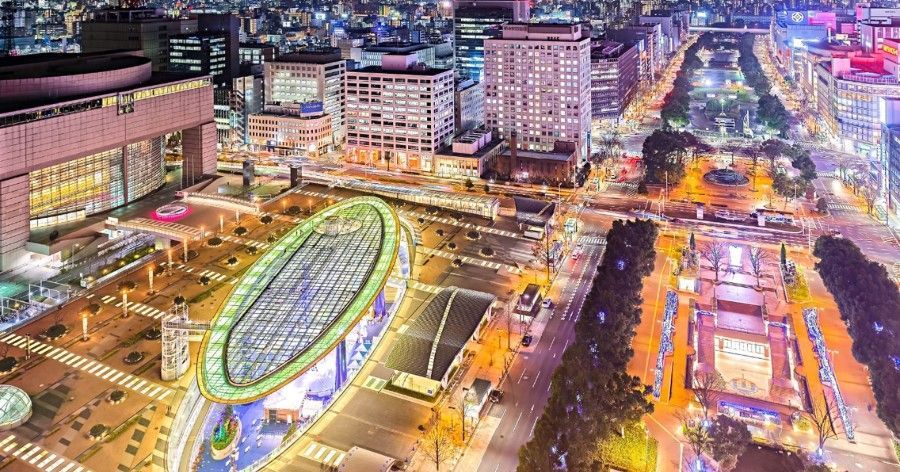
Japanese Summer Festivals: A Celebration of Tradition, Community, and Joy

Mobi • June 30, 2026

Japan's summer festival season, or matsuri, is one of the most vibrant times of the year. Streets fill with lanterns, music, and food stalls, while communities come together to honor local deities, celebrate the harvest, or simply enjoy the warmth of summer evenings. Whether you're a long term resident or a visitor, understanding the rhythm and vocabulary of these festivals helps you appreciate their deeper cultural meaning and will give you some guidance to help you understand what is going on!
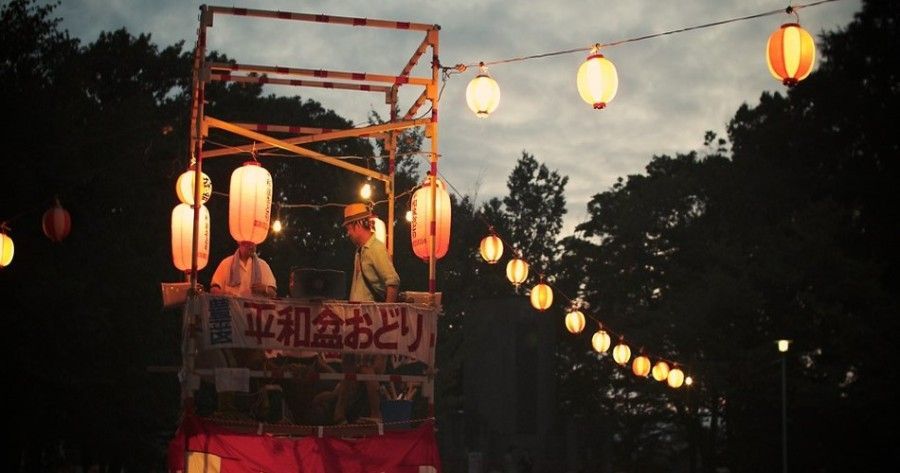
Festival float with glowing lanterns and a banner at dusk

What Defines a Matsuri?

The word "matsuri" comes from the Japanese verb "matsuru", which comes loaded with lots of religious themes, such as to deify, to worship or to enshrine. Fittingly, most summer festivals are rooted in Shinto or Buddhist traditions, often held at shrines or temples. They combine rituals, performances, and community participation - blending sacred and celebratory elements, continuing traditions that are hundreds of years old.

Common Features

  • Mikoshi (神輿): Portable shrines carried through the streets to bless the area.
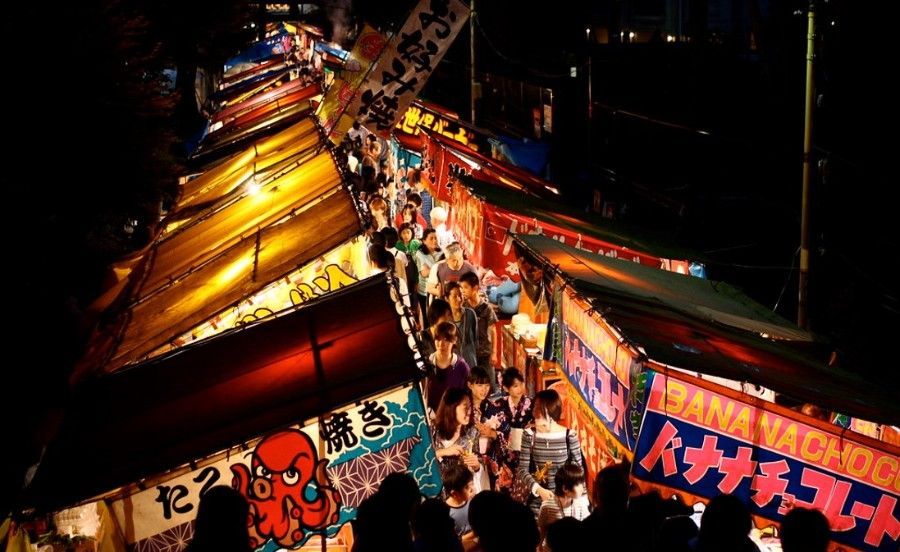
  • Yatai (屋台): Food stalls selling festival favorites like yakisoba, takoyaki, and kakigōri (shaved ice).
  • Taiko (太鼓): Traditional drumming that sets the festival's rhythm.
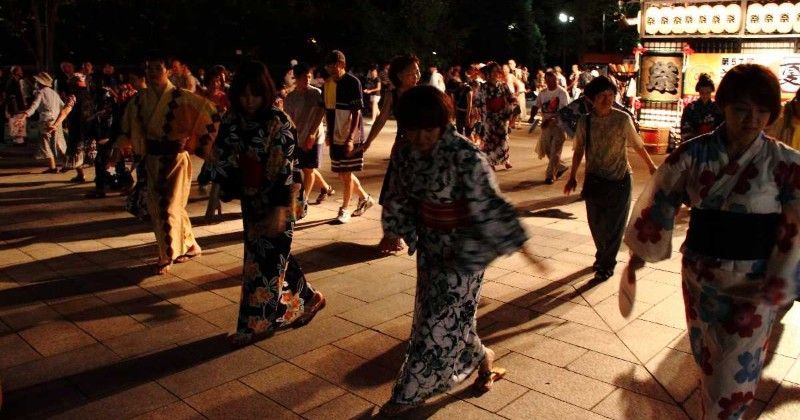
  • Bon Odori (盆踊り): Communal dance performed around a raised platform (yagura).
  • Fireworks (花火大会): Spectacular displays lighting up the summer sky.

Rituals and Symbolism

  • Each matsuri has its own origin story, often tied to local legends or deities.
  • Purification rites (harae) mark the start of many festivals.
  • Offerings (omamori, ema, or sake) express gratitude and invite good fortune.
  • Processions symbolize the deity's temporary journey among the people.
  • These rituals remind participants that matsuri are not just entertainment - they're acts of devotion and community renewal.

Useful Vocabulary for Festival-Goers

Japanese English Notes
浴衣 (yukata) Summer kimono Lightweight cotton, worn by men and women.
甚平 (jinbei) Casual summer outfit Common for men and children.
屋台 (yatai) Food stall Often themed by dish type.
花火 (hanabi) Fireworks Literally "flower fire".
お祭り (omatsuri) Festival General term for celebrations.
神輿 (mikoshi) Portable shrine Carried by teams through the streets.
盆踊り (bon odori) Bon dance Performed during Obon season.
提灯 (chōchin) Paper lantern Symbol of light and guidance
Night market alley packed with glowing stalls and crowds beneath colorful Japanese signs

Major Summer Festivals Across Japan

Gion Matsuri (Kyoto) - July

Japan's most famous festival, featuring massive yamaboko floats, evening street events, and centuries old rituals. The grand procession on July 17 and 24 is the highlight.

Tenjin Matsuri (Osaka) - July 24~25

Celebrates the deity of learning, Sugawara no Michizane. Known for its river procession and fireworks finale, blending tradition with Osaka's energetic spirit.

Hakata Gion Yamakasa (Fukuoka) - July 1~15

Teams race elaborately decorated floats through the streets at dawn - a thrilling display of strength and coordination.

Mitama Matsuri (Tokyo) - Mid-July

Held at Yasukuni Shrine, famous for its 30,000 lanterns illuminating the approach at night.

Gujo Odori (Gifu) - Late July to September

A participatory dance festival where everyone is encouraged to join in. It's one of Japan's most welcoming matsuri for newcomers.
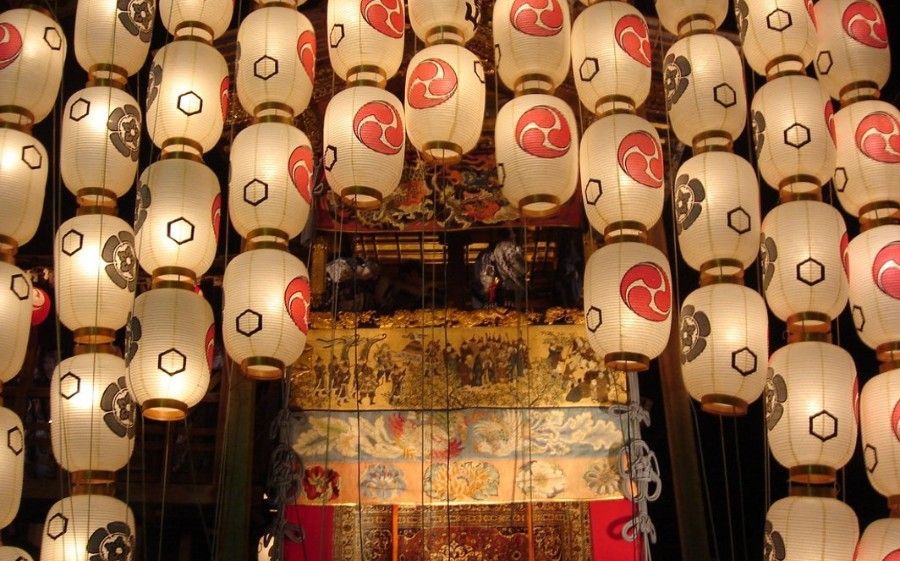
Rows of white and red festival lanterns hanging around a decorated float or shrine stage

Tips for Enjoying Matsuri Season

Arrive early for major events - crowds can be intense.

Bring cash; many stalls don't accept cards.

Stay hydrated and wear comfortable shoes.

Check local train schedules for extended services.

Respect shrine areas and follow staff instructions during processions.

Why Matsuri Matter

Beyond the lanterns and fireworks, summer festivals embody Japan's communal spirit. They connect generations, preserve local identity, and offer a moment of shared joy amid the heat of summer. Participating - even as a spectator - is a way to experience living tradition firsthand.


If this is your first summer festival this year, we hope you can have a great experience and join in on the fun! For you veterans out there, hopefully you were able to learn even just one new thing about Japanese summer festivals.


Get out there... and be festive! 

More Articles
Bicycle lane marking with Japanese text painted on cracked white pavement
By Mobi May 28, 2026
If you have lived in Japan for a few years, you will have likely noticed cyclists whizzing around with headphones on, phone in hand with little consideration for their surroundings. In an effort to curb such behaviors, changes have recently been brought into place and it is vital for you to understand what these change
Green park with trees and a white sign reading “みどりの日” in the center
By Mobi April 22, 2026
Greenery Day, known in Japanese as Midori no Hi (みどりの日), is one of the four national holidays that make up Japan's Golden Week and is celebrated every year on May 4th.
Title card for
By Mobi March 22, 2026
This guide walks you through everything you need to know - how to get a card, how to charge it, how to use it, and how to put it on your smartphone for maximum convenience.
Japanese Hina dolls, seated figures, in elaborate robes, gold screen background.
By Mobi February 25, 2026
Every year on March 3rd, households across Japan celebrate Hinamatsuri, also known as the Doll Festival. This cherished spring tradition is dedicated to wishing for the health, happiness, and prosperity of young girls.
A stylized illustration of a person in traditional clothing gesturing towards a fleeing, nude figure.
By Mobi January 20, 2026
Setsubun is one of Japan's most charming seasonal traditions. It marks the symbolic "end of winter" and the beginning of spring according to the old lunar calendar.
Japanese New Year icons: red gift bag, mochi cake, plum blossoms, battledore, wreath, kadomatsu, Daruma doll, and ema.
By Mobi December 15, 2025
The traditional Japanese New Year is a harmonious blend of Shinto, Buddhism and centuries-old customs that includes celebrations that span from deep cleaning one's home and festive meals to spiritual reflections, making it a uniquely meaningful cultural experience.
Christmas cake with strawberries and Santa decoration on a table with gifts and candles.
By Mobi November 12, 2025
Christmas in Japan is a fascinating twist on Western traditions. Readers may know about how Colonel Sanders, the founder and frontman to the popular fast-food chicken chain KFC, came to dominate Christmas in Japan in the late eighties with a successful TV campaign.
Woman in sunglasses hugging a brown Labrador dog outdoors in a field. The dog has its tongue out.
By Mobi August 13, 2025
Finding a pet-friendly property in Japan can feel like searching for a needle in a haystack. This challenge is especially pronounced in urban areas like Tokyo, Osaka, Yokohama and Nagoya, where space is limited and strict rental policies prevail.
Nighttime aerial view of Nagoya with illuminated buildings and a large oval structure (Oasis21).
By Mobi August 6, 2025
For expats seeking a more balanced lifestyle, Nagoya offers a compelling alternative to Tokyo or Osaka. This centrally located city combines affordability, convenience, and community - making it one of the best places to live in Japan for expats.
A lake with Mt. Fuji in the background and a boat in the foreground.
By Mobi July 22, 2025
Every August 11th, Japan celebrates Mountain Day (山の日, Yama no Hi) - a national holiday dedicated to appreciating the country’s stunning mountainous landscapes and the cultural, spiritual, and recreational roles they play in Japanese life.
A large wave in the ocean with a blue sky in the background.
By Mobi June 27, 2025
Marine Day, or Umi no Hi (海の日), is a national holiday in Japan celebrated annually on the third Monday of July. It's a day dedicated to appreciating the ocean's bounty, recognizing the importance of maritime activities, and reflecting on Japan's deep connection to the sea.
Nagoya Castle
By Mobi May 27, 2025
Nestled in the heart of Nagoya, Japan, Nagoya Castle (名古屋城, Nagoyajō) stands as a majestic symbol of the city's rich history and cultural heritage.
Load More Articles
Japan 24-HR Helpline
Guarantor services for renters in Japan
Drivers License Conversion Japan