Obon in Japan: A Complete Guide for Expats and Travelers
Obon (お盆) is one of Japan's most important cultural events - a time when families welcome the spirits of their ancestors back home. Although often described as a "summer holiday", Obon is fundamentally a Buddhist influenced ritual of remembrance that has evolved over more than a millennium. Today, it remains a deeply meaningful season marked by travel, family reunions, lanterns, dances, and quiet moments of reflection.

What Is Obon? The Meaning Behind the Festival
Obon originates from the Buddhist Urabon-e (盂蘭盆会), based on a story in the Ullambana Sutra. In the tale, a disciple seeks to free his deceased mother from suffering and is instructed to make offerings to monks. His gratitude becomes the foundation for Obon’s themes of filial piety, remembrance, and spiritual connection.
Over centuries, these Buddhist teachings blended with Japanese ancestral veneration, creating a uniquely Japanese festival that honours the continuity between generations.
A Brief History of Obon in Japan
Heian Period (794-1185)
Obon rituals began merging with local customs, especially ancestral worship and seasonal rites.

Edo Period (1603-1868)
Obon became a widespread community event. Lanterns, dances, and temple visits formed the core of the celebration, many of which remain today.
Modern Era

Most regions now observe Obon in mid-August, though parts of Tokyo and Kanagawa still follow the July Obon schedule. Regardless of timing, the festival’s meaning remains consistent: welcoming and honouring ancestral spirits.
Traditional Obon Practices
迎え火 (mukaebi) - Welcoming Fires**

Photo credit: Kazustyle, Photohito
Families light small fires at the entrance of their homes to guide ancestral spirits back. These flames symbolise warmth, recognition, and safe passage.
精霊馬 (shōryō uma) - Spirit Animals**
Cucumbers and eggplants are crafted into symbolic animals using chopsticks as legs:
- Cucumber horse - a fast return
- Eggplant cow - a slow, peaceful departure
These offerings represent the journey between worlds.
盆踊り (bon odori) - Communal Dance**
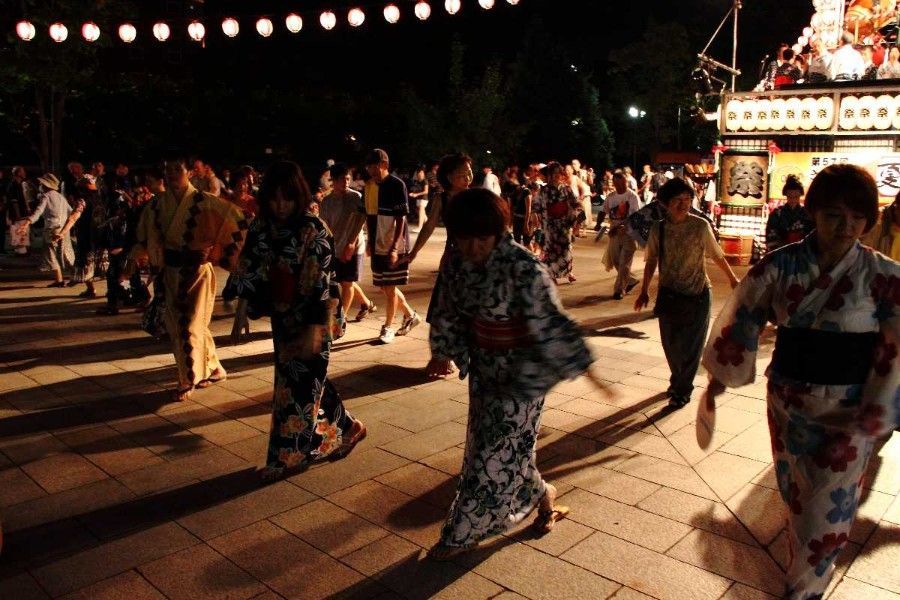
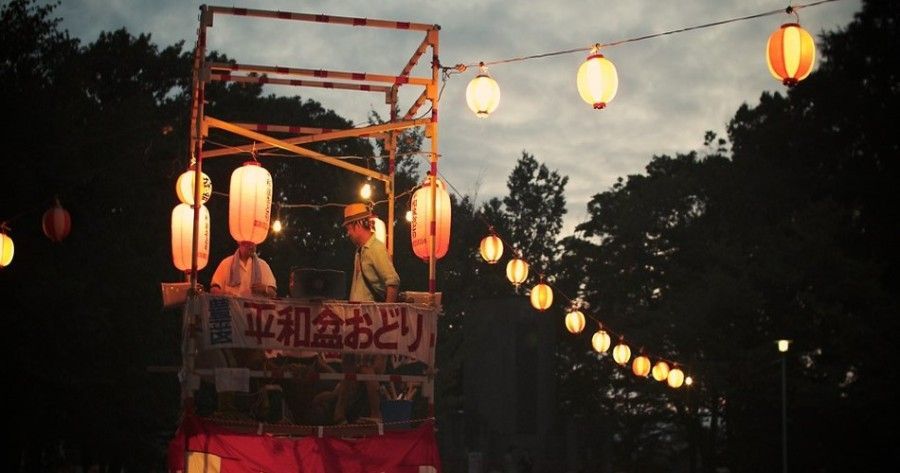
Bon Odori began as a ritual dance to comfort spirits and evolved into a community celebration. Each region has its own style - from the energetic Awa Odori in Tokushima to the elegant Gujo Odori in Gifu.
灯籠流し (tōrō nagashi) - Floating Lanterns**
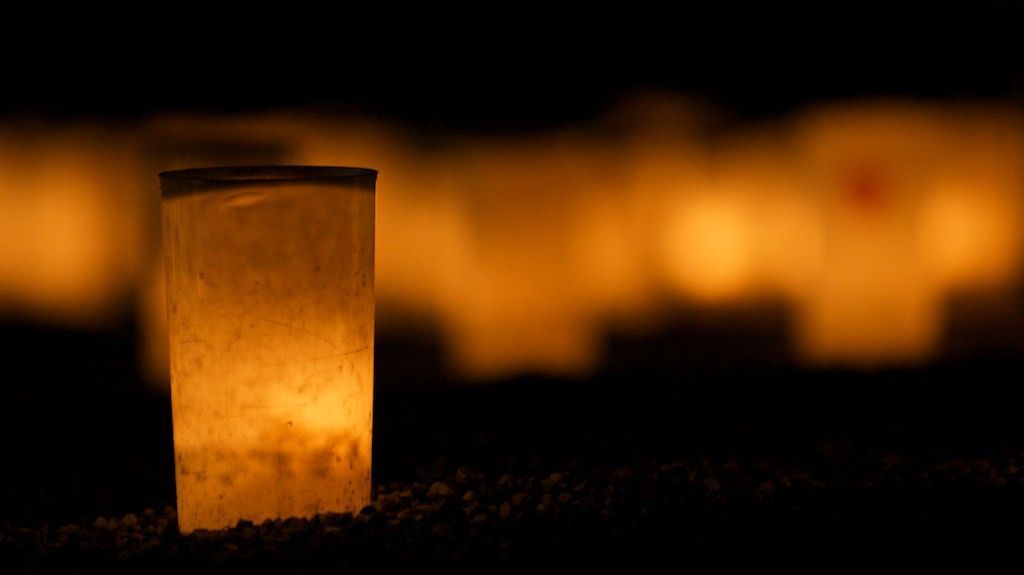
Lanterns are set afloat on rivers or the sea to guide spirits back to the afterlife. Many towns still hold these ceremonies, though modern safety rules have reduced their frequency.
Modern Obon: How Japan Celebrates Today
Family Gatherings & Hometown Travel
Obon is one of Japan's busiest travel seasons. Millions return to their furusato (hometown) to visit family graves, reconnect with relatives, and participate in local festivals.
Grave Visits (haka mairi)**
Families clean headstones, place fresh flowers, burn incense, and offer food or drinks the deceased enjoyed. It's a quiet, reflective moment rather than a formal ritual.

Home Altars & Lanterns
Many homes display 盆提灯 (bon chōchin) - decorative lanterns - and set up small altars with fruit, sweets, and symbolic foods.
Community Festivals
Neighbourhoods host Bon Odori events, food stalls, and evening gatherings. These are social, welcoming, and often the most visible part of Obon for newcomers.
When Is Obon? Understanding the Dates
Japan observes Obon on different dates depending on region:
- August Obon (most common): August 13-16
- July Obon: July 13-16 (parts of Tokyo and Kanagawa)
- Lunar-calendar Obon: September (rare, mostly rural traditions)
For travelers and expats, mid-August is the period that affects transportation, business hours, and event schedules nationwide.
Travelling During Obon: Practical Tips for a Smooth Experience

Obon travel can be intense, especially around August 10-18, when trains, highways, and airports reach peak congestion. Here's how to navigate it smoothly:
1. Book Early ➜ Really Early
Shinkansen seats, domestic flights, and hotels fill up weeks in advance.
2. Know the Peak Rush Periods
- Outbound: August 10-12
- Inbound: August 15-17
Expect heavy congestion on major interchanges and Shinkansen platforms.
3. Travel Off Peak
Early morning or late evening trains are significantly quieter.
4. Prepare for Heat & Humidity
Carry water, wear breathable clothing, and take advantage of convenience store cooling towels.
5. Respect Local Customs
If visiting a grave or participating in Bon Odori:
- Dress modestly
- Avoid photographing private family rituals
- Follow local instructions
- Participate gently - communities appreciate respectful involvement
6. Expect Business Closures
Small clinics, family run shops, and some offices close for several days.
7. Enjoy the Season
Obon offers lantern-lit streets, evening dances, and community gatherings - a rare glimpse into living tradition.
Why Obon Matters
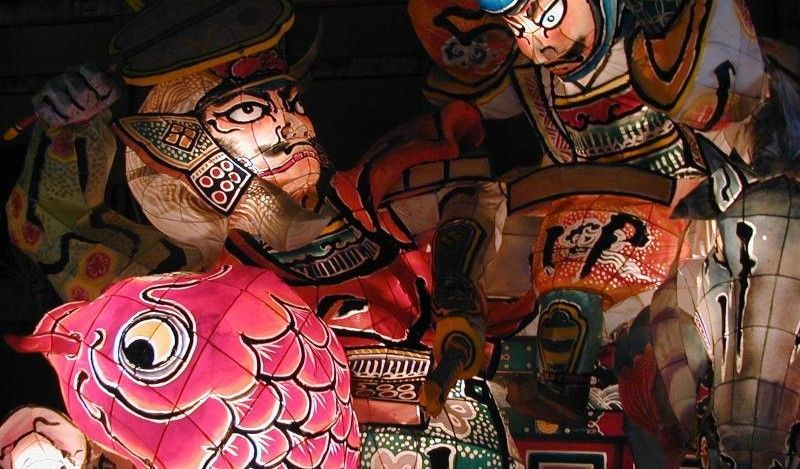
Obon is not simply a holiday - it's a cultural anchor. It blends Buddhist teachings, Japanese ancestral respect, and community celebration into a season of remembrance and return. For expats, understanding Obon offers insight into the values that shape Japanese life: family, continuity, gratitude, and the quiet dignity of honouring those who came before.
More Articles