Yaki-imo, the classic fall treat
Who needs pumpkins, anyway?
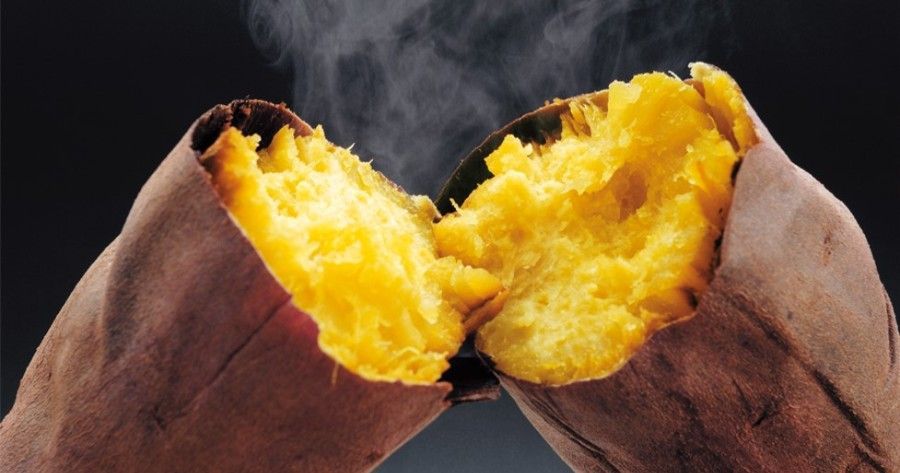
Ya~ki imo~, Ishi ya~ki imo~ ♫
City, suburb, or tiny town, the Yaki-imo seller was ubiquitous, a beloved staple of the colder months.
These days the carts and trucks are harder to find, but the sweetness of baked Satsuma imo on a chilly night still can’t be topped.
The History of Yaki-imo
The history of Japanese sweet potatoes, often known as Satsuma imo, can be traced back to the early 1600s. We can assume they were established enough to be popular but not yet enshrined as the ultimate cold weather treat. They were given to the British-run East India Company in 1615 (according to the diary of the outpost director in Hirado), and there’s a possibility they were in Okinawa before that, based on a story about the King of Ryukyu (Okinawa) sending some north to Kyushu as tribute.
Yatai carts proliferated in the early 1950s, when sweet potatoes were no longer rationed and people could treat themselves to something tasty without worrying about the cost.
The 1970s brought in the kei-tora (an adorably small truck) as the Yaki-imo sales vehicle of choice. Often run by an older person as a small seasonal business, the perfect toasty-warm potatoes are usually sold by weight. The trucks are instantly recognizable with their bright signage and signature soundtrack and have a small oven set up in the back.
Finding Yaki-imo Today
These days, a number of Yaki-imo trucks have social media accounts and can be tracked through Instagram or X, so you don’t have to listen intently, hoping they’ll drive by. There are also tracking sites in Japanese, where you can specify your region and find a short list of vendors in your prefecture. The classic kei-tora vendors are often not online, though, and you’ll have to rely on sharp hearing and good luck.
No local trucks in your neighborhood? Never fear. Many supermarkets and conbinis have Yaki-imo for sale, and independent vendors will often set up a stall near the entrance in order to appeal to people on their way in or out. If that’s not enough, the truly dedicated Yaki-imo fan can attend the multi-day Yaki-imo Festival, with locations in both Tokyo and Osaka this year.
Make Your Own Yaki-imo
If you prefer potatoes on your own schedule, feel free to grab some uncooked Satsuma imo at the store, take them home, and bake as needed. Here's a simple recipe for those of you who'd like to try:
Easy Home-baked Yaki-imo
- Wash the potatoes thoroughly, but don’t peel them.
- Wrap the potato in a sheet of damp newspaper to make sure they don’t burn.
- Next, wrap it up in aluminum foil, and pop it into your convection oven.
- Set your convection oven to about 190c, and bake for 90 minutes or until the potato is nice and soft.
- Turn off the oven and let the potato sit for another hour.
- Peel the foil and paper off, crack the potato open, and enjoy!
Varieties of Yaki-imo
There are a number of Satsuma imo varieties available, but the national favorite is Beni Haruka. Sweet and creamy with a golden inside, these are seriously tasty.
If you want the classic fluffy texture, you might go for a Beni Azuma. Anno and Silk Sweet are two other popular potatoes you can expect to see, but there’s a ton of regional variety.
Many vendors sell a few different kinds, so you can pick up a couple and choose your favorite.
And hey! It's a vegetable, so it has to be healthy, right?
Just like eating a salad. You can eat as many as you like.
We won't tell if you don't.
More Articles